OEM vs. Aftermarket Car Parts FAQ for Nissan Owners
When it comes to maintaining or repairing your vehicle, one of the most common questions drivers face is whether to choose Original Equipment Manufacturer (OEM) parts or aftermarket components. The team at Empire Nissan in Ontario, CA put this guide together to help drivers across the Inland Empire make informed decisions about the parts that go into their Nissan.
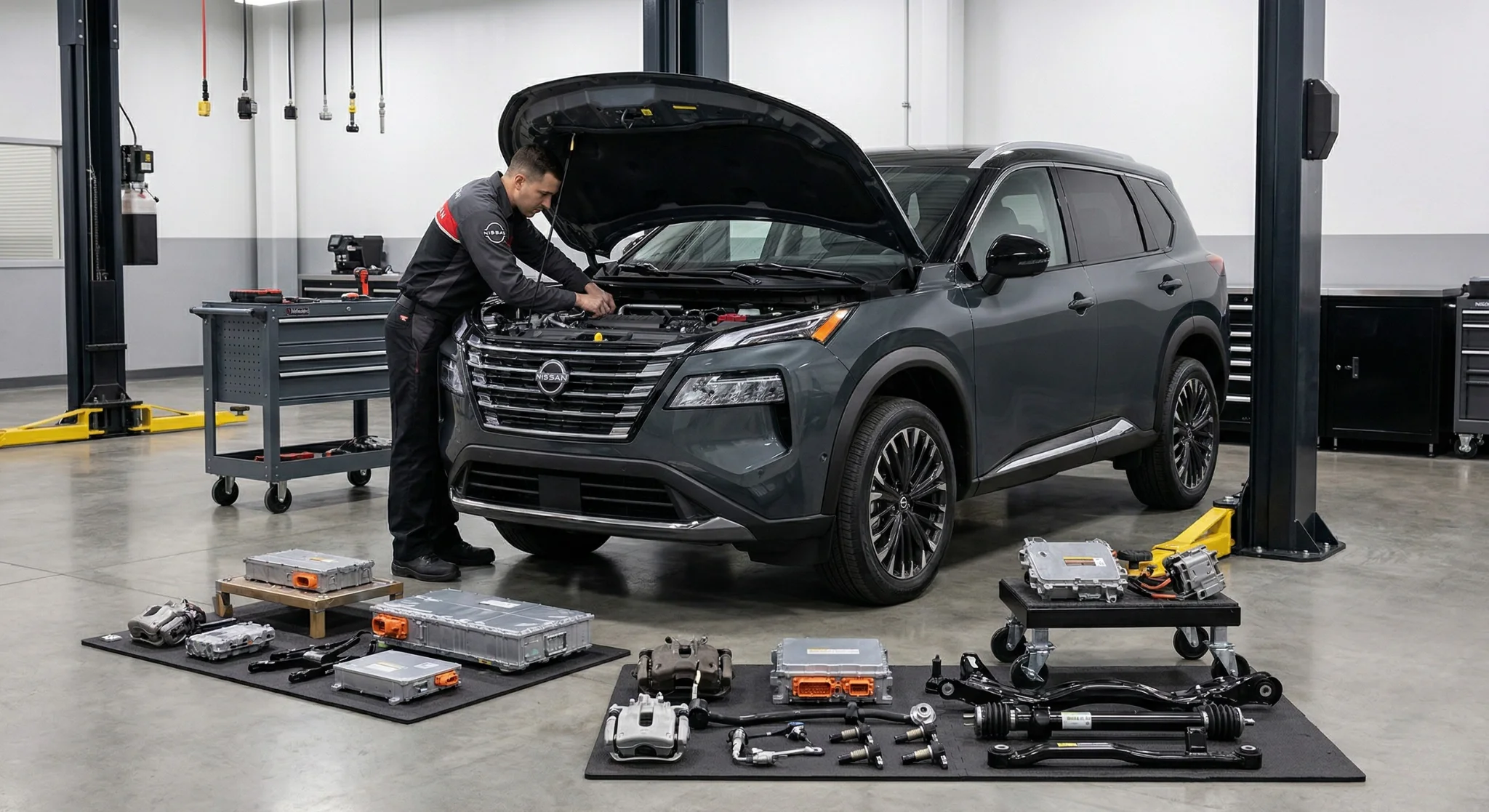
OEM parts are produced by the same manufacturer that supplied the original components for your Nissan when it was built. They’re designed to meet the exact specifications set by Nissan engineers, which means compatibility, fit, and performance match what was originally installed on your vehicle. Aftermarket parts, by contrast, come from third-party manufacturers and are designed to fit a wide range of vehicles. They sometimes include your Nissan model, but they aren’t always built to the same standards.
The primary benefit of choosing OEM is confidence in quality and reliability. Because these parts are typically identical to those used during your vehicle’s initial assembly, they preserve the integrity of your Nissan’s performance and safety systems — which matters most for components that affect safety and long-term durability.
Aftermarket parts offer a wider range of options and price points, which can be useful if you’re looking for a more affordable solution or a feature not offered in the OEM version. Quality does vary significantly between manufacturers, though, so the category requires more care when selecting a brand.
Availability differs between the two as well. OEM parts are typically stocked by authorized dealerships, which guarantees you receive a genuine part. Aftermarket parts are generally more widely accessible and can sometimes be sourced more quickly — a consideration for drivers in nearby communities like Montclair and Fontana.
Warranty coverage is another distinguishing factor. OEM parts usually come with a warranty backed by Nissan and can be covered under the vehicle’s existing warranty when installed by a certified technician. Aftermarket warranties may also be available, but coverage tends to be more limited and varies by brand and supplier. At Empire Nissan, we recommend genuine parts and professional installation to help maintain your vehicle’s warranty and long-term performance.
Installation fit is the final consideration. OEM parts are designed to drop in seamlessly. Aftermarket parts may require additional fitment work and don’t always sit as precisely, which can lead to follow-up repairs.
For drivers in Ontario and surrounding communities who want their Nissan to perform optimally and retain its value, OEM is often the safest route. The Empire Nissan Parts Department stocks genuine Nissan components and offers expert guidance on selecting the right part for your specific model. To speak with our parts specialists, call (909) 740-6719 or visit us in Ontario.
Frequently Asked Questions About Car Parts
What information do I need to order the correct parts for my Nissan?
Having precise information about your vehicle ensures the part will fit and function as intended, whether you’re ordering OEM or aftermarket. At minimum, you’ll need the make, model, and year — these basic identifiers narrow the parts catalog to what suits your specific car, such as a Nissan Sentra or Altima from a given production year.
Beyond that, the vehicle identification number (VIN) is invaluable. This unique 17-character code contains detailed information about your car’s manufacturing specifics, including engine type, transmission, trim level, and factory options. Providing the VIN to a parts specialist eliminates most ordering errors, especially for vehicles like the Nissan Rogue with its AWD and FWD configurations.
The part number is the most accurate identifier when you have it. OEM parts come with specific part numbers assigned by Nissan that correspond to the original component installed on your vehicle. Aftermarket alternatives may reference OEM numbers or have their own identifiers — clarity here helps avoid confusion at the counter.
For certain components, additional information may be required: engine size, fuel type, and transmission system. Brake components, filters, and sensors often vary across drivetrain types, so specifying these details matters. If you’re unsure, your owner’s manual or a quick call to our service advisors can confirm the right specs.
Finally, describe the part’s location or function within the vehicle. Similar parts often exist for different systems or sides — left versus right headlamps, front versus rear brake pads. Clarifying this avoids returns and re-orders. When you have this information ready, you can order parts directly through Empire Nissan or speak with a parts specialist.
How do I get the best value when shopping for automotive parts?
Finding the right balance between quality and cost is the central challenge for drivers around Ontario and Fontana who want to maintain their vehicles without overspending. One effective strategy is to prioritize parts based on their function and impact on vehicle performance: choose OEM for critical components and consider quality aftermarket options for less vital items. This approach maximizes value while protecting safety and durability.
Comparing prices from reputable sources is also important. OEM parts are generally more expensive, but they offer guaranteed compatibility and reliability — which often saves money long-term by preventing premature failures or fitment issues. With aftermarket parts, research brands carefully and seek recommendations from trusted mechanics or dealership service teams.
Scheduling regular maintenance through certified service providers ensures parts get replaced proactively, which can help avoid larger repairs down the line. You can schedule service at Empire Nissan to keep your Nissan running on genuine parts where it matters most. Investing wisely in parts tailored to your vehicle’s needs — supported by expert installation — delivers the best long-term value for drivers across Ontario, Montclair, and surrounding communities.
Which car parts should I always choose as OEM for safety and reliability?
Certain components are vital enough to performance and safety that OEM is the recommended choice. These parts are engineered to Nissan’s exact specifications.
Braking system components — brake pads, rotors, and calipers — are at the top of the list. They undergo strict quality control to guarantee consistent stopping power and durability, which matters for safe daily driving in Ontario and the surrounding Inland Empire.
Engine and drivetrain components are another category where OEM matters most. Spark plugs, timing belts, and fuel injectors are designed to precise tolerances that aftermarket alternatives don’t always meet. Using OEM here helps prevent the premature wear or performance issues that less compatible alternatives can introduce. The result: smoother starts, better fuel economy, and fewer surprises on the road.
Suspension components — struts, shocks, and control arms — also belong on the OEM-first list. They’re critical to vehicle stability, handling, and ride comfort, and OEM versions preserve the driving dynamics and safety margins your Nissan was designed for.
Electrical system components round out the list. Sensors, wiring harnesses, and ignition coils are intricately matched to the vehicle’s computer systems and safety features. OEM versions reduce the risk of malfunctions or diagnostic errors that can occur with aftermarket alternatives — which is especially important on modern Nissans equipped with advanced driver-assistance technologies.
For these essential systems, OEM protects your vehicle’s integrity and your peace of mind. Empire Nissan carries a comprehensive selection of genuine components, and our team can help you identify what’s right for your model.
Does using non-OEM parts affect my vehicle’s factory warranty?
This is a common concern, and the short answer is reassuring. Federal law — specifically the Magnuson-Moss Warranty Act — prohibits manufacturers from voiding a vehicle’s factory warranty solely because non-OEM parts have been installed. Quality aftermarket components do not automatically jeopardize warranty coverage.
The picture changes if a non-OEM part causes damage to your vehicle. In that case, the manufacturer or dealer can deny warranty claims related to the specific damage — but only if they can demonstrate the aftermarket part was the direct cause. For example, if an aftermarket brake component fails and leads to further brake system issues, warranty coverage for those resulting problems may be denied.
That’s why the quality and installation of aftermarket parts matters. Choosing reputable suppliers and experienced technicians helps protect both your vehicle’s performance and its warranty status. For drivers in Ontario and Montclair, scheduling maintenance and repairs at an authorized service center like Empire Nissan helps ensure parts and installations meet manufacturer standards — preserving your warranty while potentially reducing long-term repair costs.
How can I identify counterfeit car parts and protect my vehicle?
Spotting counterfeit car parts requires careful attention to detail because these fakes often mimic the appearance of genuine ones. Packaging quality is the first indicator: authentic parts come in sturdy, well-printed boxes with clear logos and part numbers. If the packaging looks flimsy or the printing appears blurred, the part may be counterfeit. Genuine Nissan parts also feature consistent, precise markings — serial numbers or holographic seals — that counterfeiters often fail to replicate accurately.
An unusually low price compared to standard market rates is another warning sign. Counterfeit parts can lead to premature failure, safety hazards, or damage to your vehicle’s systems. A counterfeit brake pad, for example, may not deliver adequate stopping power — putting your safety and others’ at risk.
To avoid these risks, purchase parts exclusively from authorized sources like Empire Nissan’s Parts Department or other trusted dealerships. These sources guarantee genuine OEM parts designed specifically for Nissan vehicles. If you’re ever uncertain about a part’s authenticity, bringing your Nissan in for inspection by a certified technician at Empire Nissan is the safest path forward. You can also call us at (909) 740-6719 to speak with a parts specialist about your vehicle’s needs.
Sources & Disclaimer
Source: Magnuson-Moss Warranty Act, 15 U.S.C. §§ 2301–2312. For the full text of the Act and FTC enforcement guidance, see the Federal Trade Commission’s official reference: Magnuson-Moss Warranty—Federal Trade Commission Improvements Act (ftc.gov).
Disclaimer: This article is provided for general informational purposes only and does not constitute legal advice. Warranty coverage, applicability of federal and state law, and individual circumstances vary. For specific questions about your vehicle’s warranty or the use of aftermarket parts, consult your owner’s warranty booklet, contact Empire Nissan directly, or seek advice from a qualified attorney.